


Endangered Species Act protections and compliance requirements for the dunes sagebrush lizard have been removed, but they could return in 2028.
Recently, the regulatory landscape for the dunes sagebrush lizard (DSL) shifted decisively. The Western District Court of Texas approved the settlement agreement between the State of Texas and the United States Fish and Wildlife Service (USFWS) to vacate the USFWS 2024 rule listing the DSL as endangered. While project proponents in the Permian Basin are no longer subject to the Endangered Species Act (ESA) provisions for the DSL at this time, regulatory compliance requirements may return in the future when USFWS issues its final decision on the listing. Dr. Nicole Smolensky, Senior Scientist, shares what it means for your projects and where to focus first.
Where to Focus First
These shifts touch several areas at once: Section 7 consultation requirements, Section 9 take prohibitions, CCA/CCAA enrollment, and the timeline for the USFWS’s next action. How each applies depends heavily on where your project is today. Do you have active DSL-related Section 7 consultations open with your local USFWS field office? Is your documentation ready in case the listing returns in 2028? Our team can walk you through what each of these questions means for your specific project.
This isn’t permanent. USFWS must now issue a new 12-month finding by July 2028, and the species could be relisted. State protections in Texas and New Mexico remain unchanged, and existing CCAAs are expected to stay in place.
Connect with our team to discuss what this means for your specific projects.
June 19, 2026
Dunes Sagebrush Lizard Listing May Be Vacated
The endangered listing status remains in effect while a joint motion to vacate works its way through federal court. Here's what Permian Basin developers need to know.
A May 2024 final rule listed the dunes sagebrush lizard (Sceloporus arenicolus) (DSL) as an endangered species. On June 3, 2026, the U.S. Fish and Wildlife Service (USFWS) and the State of Texas filed a joint motion to enter a settlement agreement in the U.S. District Court for the Western District of Texas that would vacate rule listing the DSL as endangered. In the settlement agreement, USFWS acknowledged it made a “serious and fundamental error” in the 2024 rulemaking by not adequately accounting for experimental habitat restoration efforts.
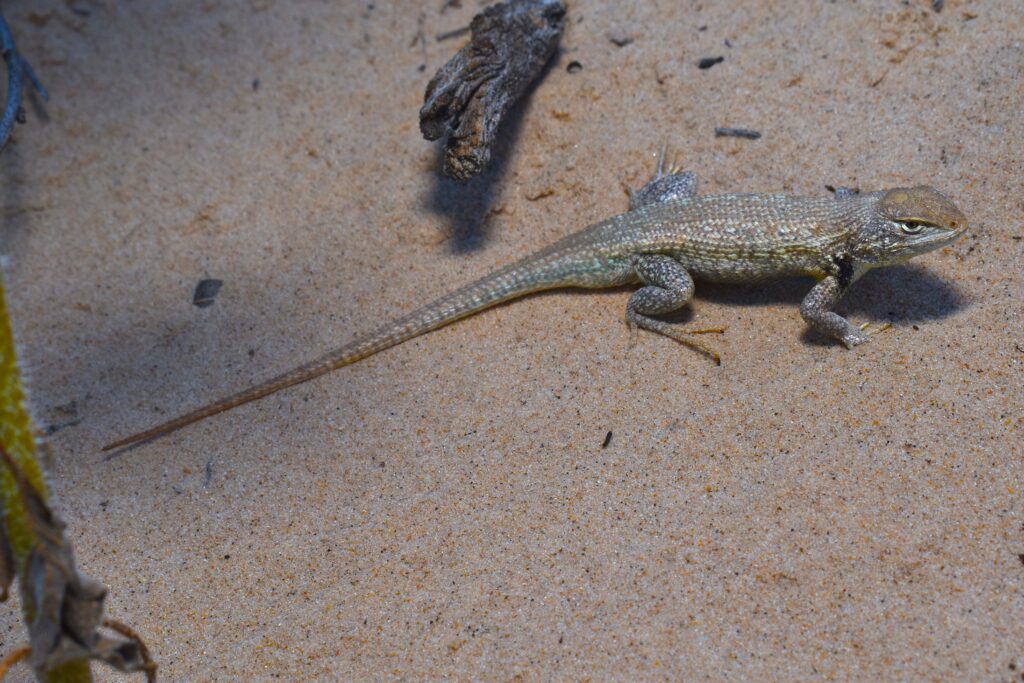
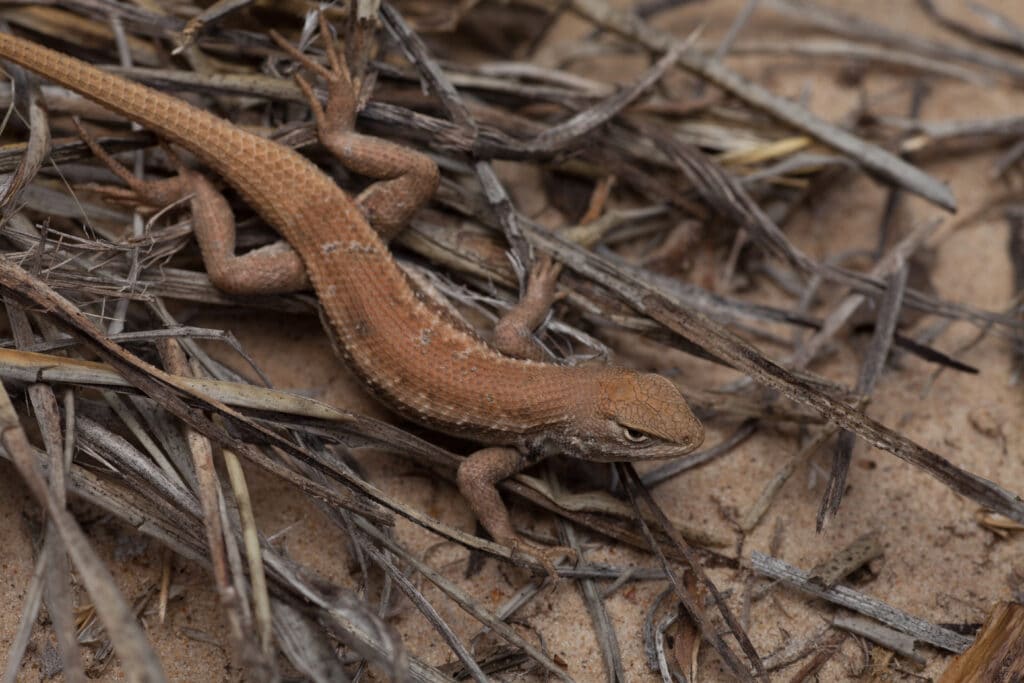
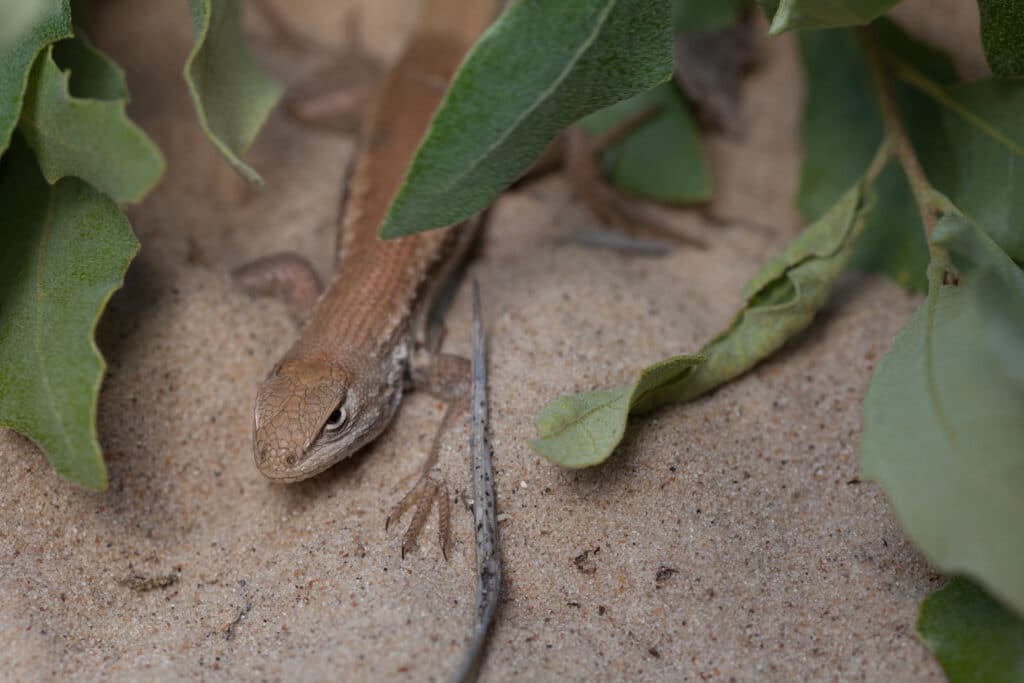
Nothing has changed yet. The 2024 endangered listing status remains in effect while the court considers the motion. If approved, the DSL would return to unlisted status and USFWS would conduct a new status review, with a finding expected by mid-2028. Conservation groups are actively opposing the settlement agreement, so the outcome is not certain.
What This Could Mean for Permian Basin Projects
If the court grants the motion to enter the settlement agreement as an order, several regulatory considerations will shift for projects in West Texas and southeastern New Mexico:
- ESA Section 7 Consultation: Federal interagency consultation requirements for the DSL would no longer apply. Ongoing biological assessments or biological opinions with DSL-specific components may need to be revisited.
- Take Prohibitions: The current federal prohibition on harming, harassing, or killing the DSL would be suspended during USFWS’s review period.
- Candidate Conservation Agreements with Assurances (CCAAs): CCAAs may reopen for enrollment. Entities currently enrolled in the 2008 New Mexico CCA/CCAA, the Texas Conservation Plan (TCP), or the 2020 DSL CCAA should be aware that USFWS notes in the settlement agreement that it expects these programs to remain in place regardless of listing status; relevant given that federal protection could return following the new review if USFWS finds the listing warranted.
- State Protections Remain Unchanged: The DSL is listed as endangered under both Texas and New Mexico state law. Those protections are currently maintained.
ECT Helps You Stay Ahead of the Uncertainty
ECT has followed the DSL through its 40-year regulatory history — including the 2010 listing proposal, the 2012 withdrawal, and the 2024 Final Rule. We continue to monitor the court proceedings and will keep clients informed as developments unfold.
In the meantime, our team can help you:
- Evaluate your risk under the existing listing and what a vacatur would mean for your specific projects.
- Review active conservation commitments —including CCAA enrollment (current or anticipated) and ongoing Section 7 consultations — to assess whether any near-term decisions are warranted.
- Stay prepared for any outcome, including the possibility of relisting following USFWS’s new review.
We are here to help clients contextualize where their projects stand within the DSL’s evolving regulatory landscape. Connect with our team to discuss next steps.
