 ECT is amid yet another review and re-justification of thermal effluent limits under the National Pollutant Discharge Elimination System (NPDES) program.
We see again how different the bases of thermal limits can be. It is also apparent the importance of understanding how the original limits were derived in the context of state rules and current policies.
In combination, the following factors yield a variety of limits based on very different factors:
- the basis of each state’s Water Quality Standards;
- whether and how a mixing zone or Clean Water Action Section 316(a) thermal variance was used;
- the available dilution within the receiving water:
- the nature of the receiving water’s biological resources; and,
- potential changes in the watershed since thermal limits were established.
While thermal limitations have received increased scrutiny in the last several years, it is common for agency staff to have little to no experience with alternative thermal effluent limitations, and no access to the previous studies used to justify the original limits. Therefore, ECT often finds that we must work with our clients to provide the agency with technical, regulatory, and historic perspectives.
Agencies have developed new regulations and guidance and it is important to consider the relevant criteria when re-assessing the limitations. ECT has found that a variety of skills may be necessary for successful assessments, including:
- hydrothermal surveys;
- computer modeling;
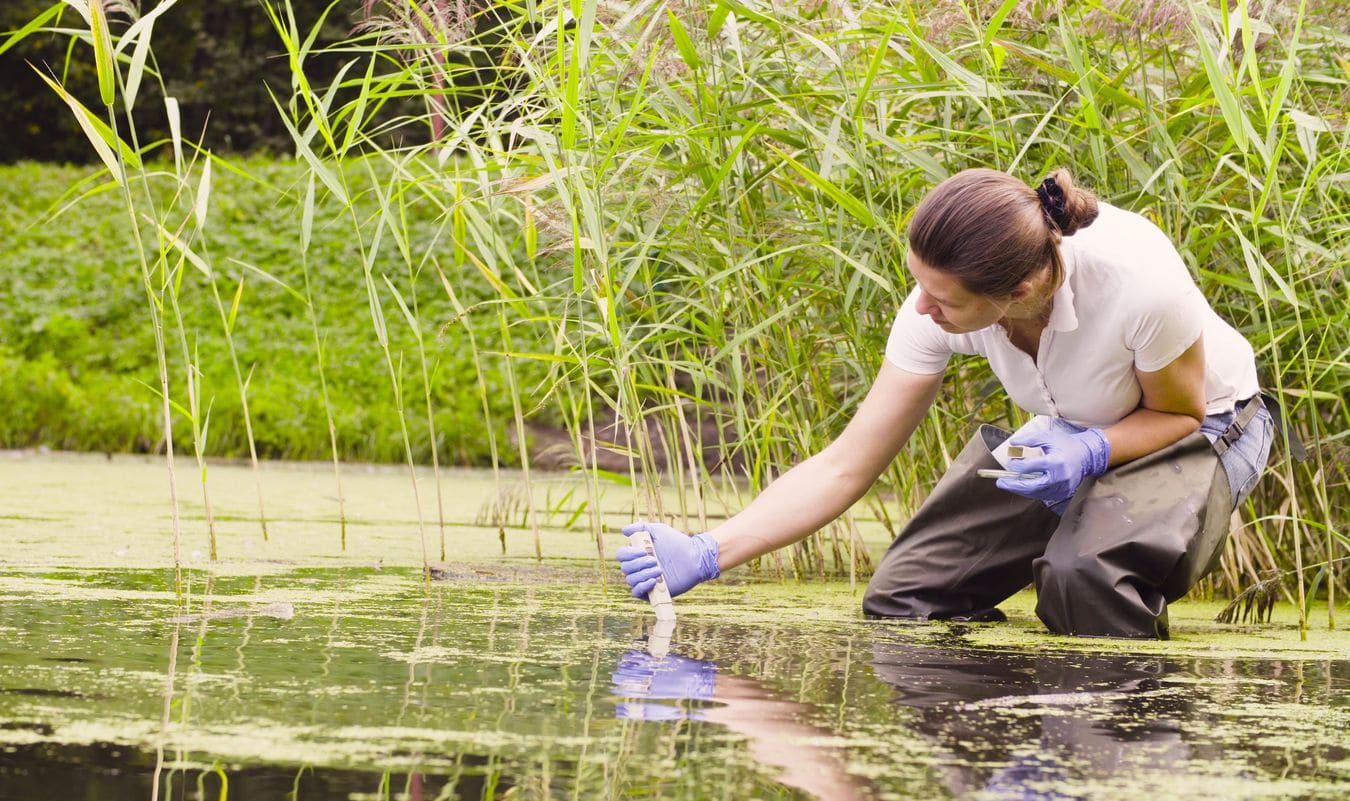
- biological surveys;
- literature reviews;
- biothermal assessments; and,
- regulatory assessments.
The design of such studies is a key element for successful and cost-effective assessment. ECT’s experience proves that a desk-top study – relying on data collected by others – can be very effective if it carefully addresses the relevant decision-making criteria.
ECT team members support the derivation and confirmation of thermal limitations for a variety of facilities across the United States. Our goal is a cost-effective and defensible demonstration or re-assessment. ECT emphasizes creative approaches to the study design, execution, and presentation that focus on key issues while minimizing efforts that do not contribute directly to understanding whether the thermal limits are protective of the aquatic resources.
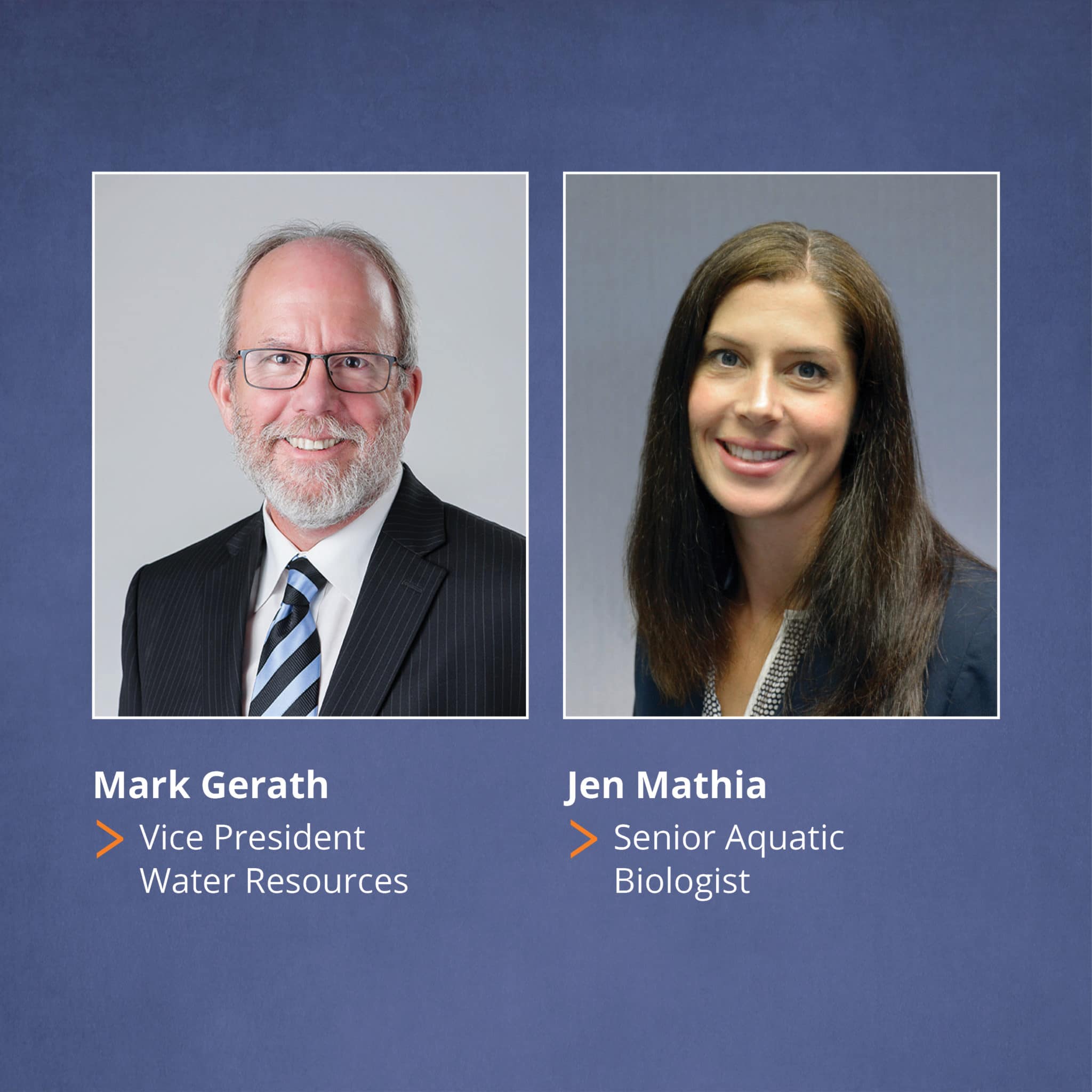
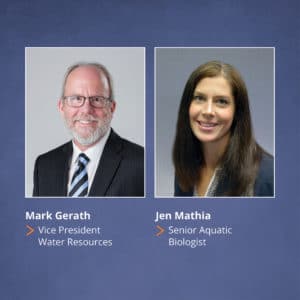
Jen and Mark have spoken on thermal regulations at several industry conferences. Contact Jen Mathia and Mark Gerath for more information about thermal effluent limitations.