

The Crossings that Count
Restoring fish passage for the trispot darter in Georgia’s Coosa Basin.
Every winter, a small, federally threatened fish leaves the rivers of northwest Georgia and pushes upstream into tiny, groundwater-fed seeps to spawn. At first glance, the seeps look unremarkable; shallow water barely moving through leaf litter and mud. But for the trispot darter (Etheostoma trisella), found only in the Coosa River Basin of Alabama, Georgia, and Tennessee, these places are some of the only spawning habitat it has left.
Across the Conasauga and Coosawattee watersheds, more than a thousand road-stream crossings stand between this fish and the habitat it depends on, many of them too narrow, too high, or too degraded for a two-inch fish to climb.
The Georgia Department of Natural Resources is leading a basin-wide effort to find and fix those barriers, in partnership with The Nature Conservancy, Limestone Valley Resource Conservation and Development Council, and a wide network of federal, academic, and community partners. The project combines systematic road-crossing assessment using a standardized regional protocol with environmental DNA sampling that maps exactly where the species is still trying to spawn, then directs limited funding toward the crossings whose replacement will reconnect the most habitat. County governments have become active partners in this effort, cost-sharing replacements that serve both conservation and local infrastructure needs.
Grantee
Georgia Department of Natural Resources (GA DNR)
Northwest Georgia
Grant Award
$1.9 million
Project Type
Aquatic Connectivity and Fish Passage Restoration
Project Outcomes
1,600+ road-stream crossings assessed
30+ tributary sites sampled for environmental DNA
Student workforce engaged through partnerships with regional universities and colleges
Project Progress
Four of six targeted culverts replaced; additional sites in design and permitting.
Anticipated completion date of Spring 2028
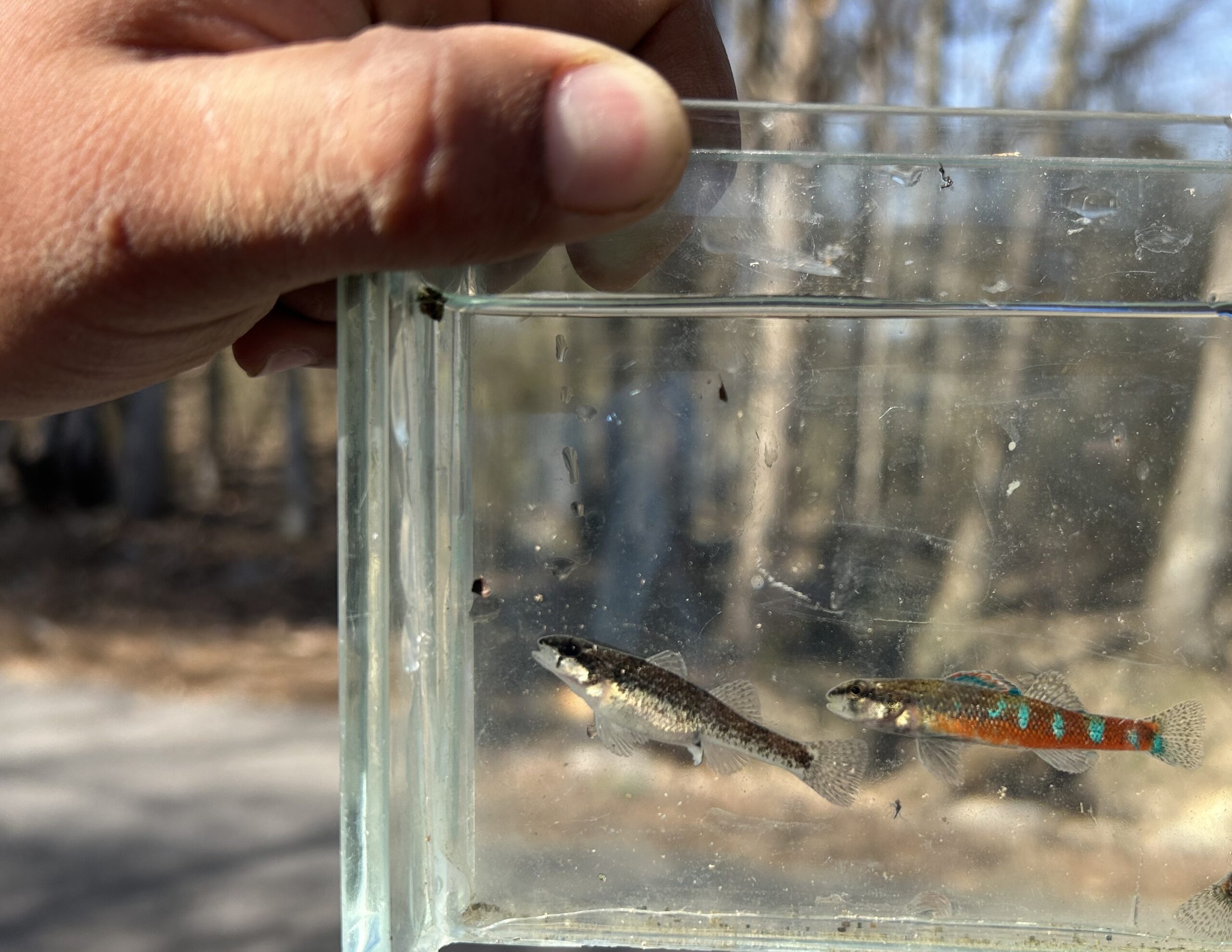
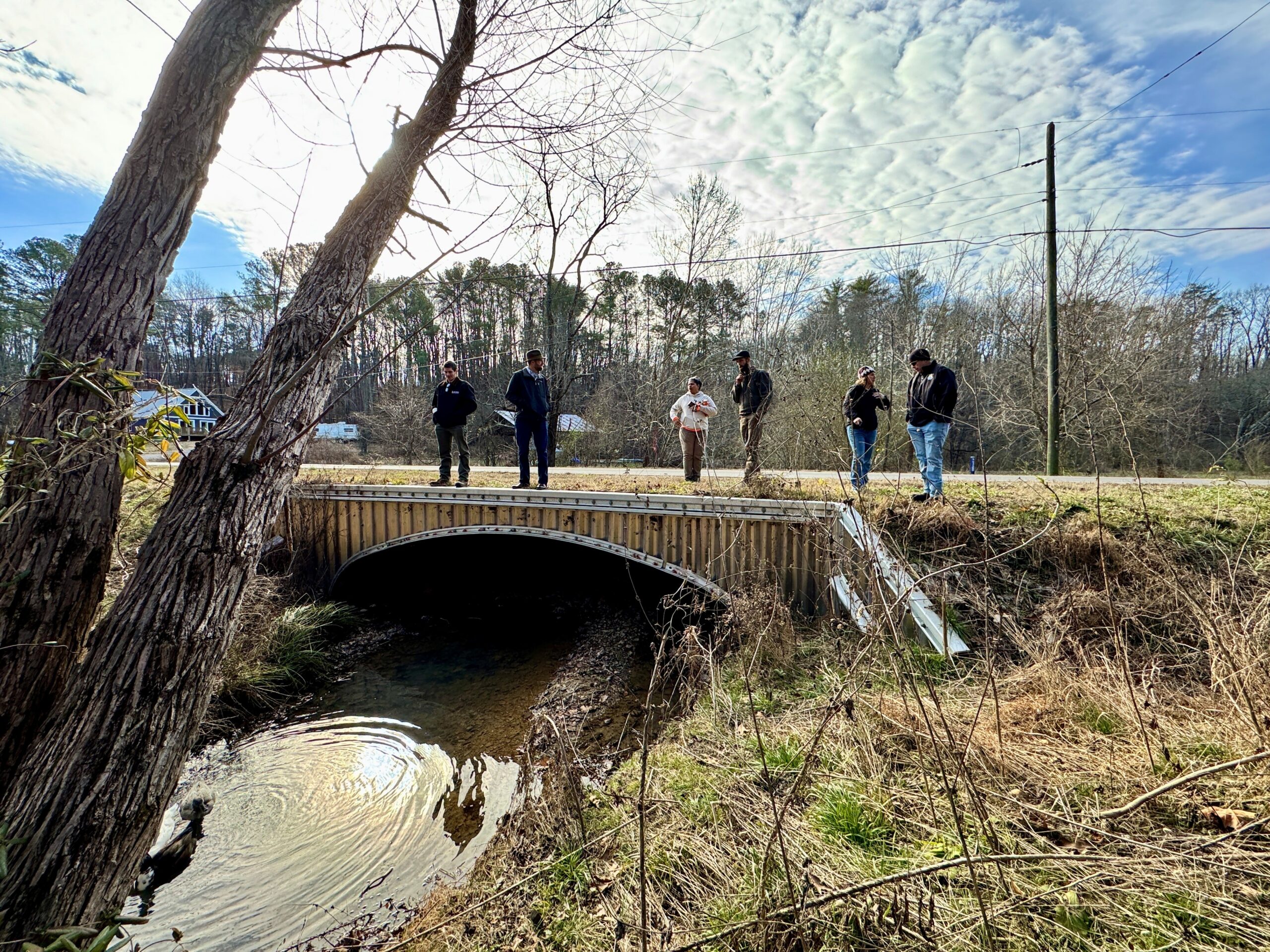
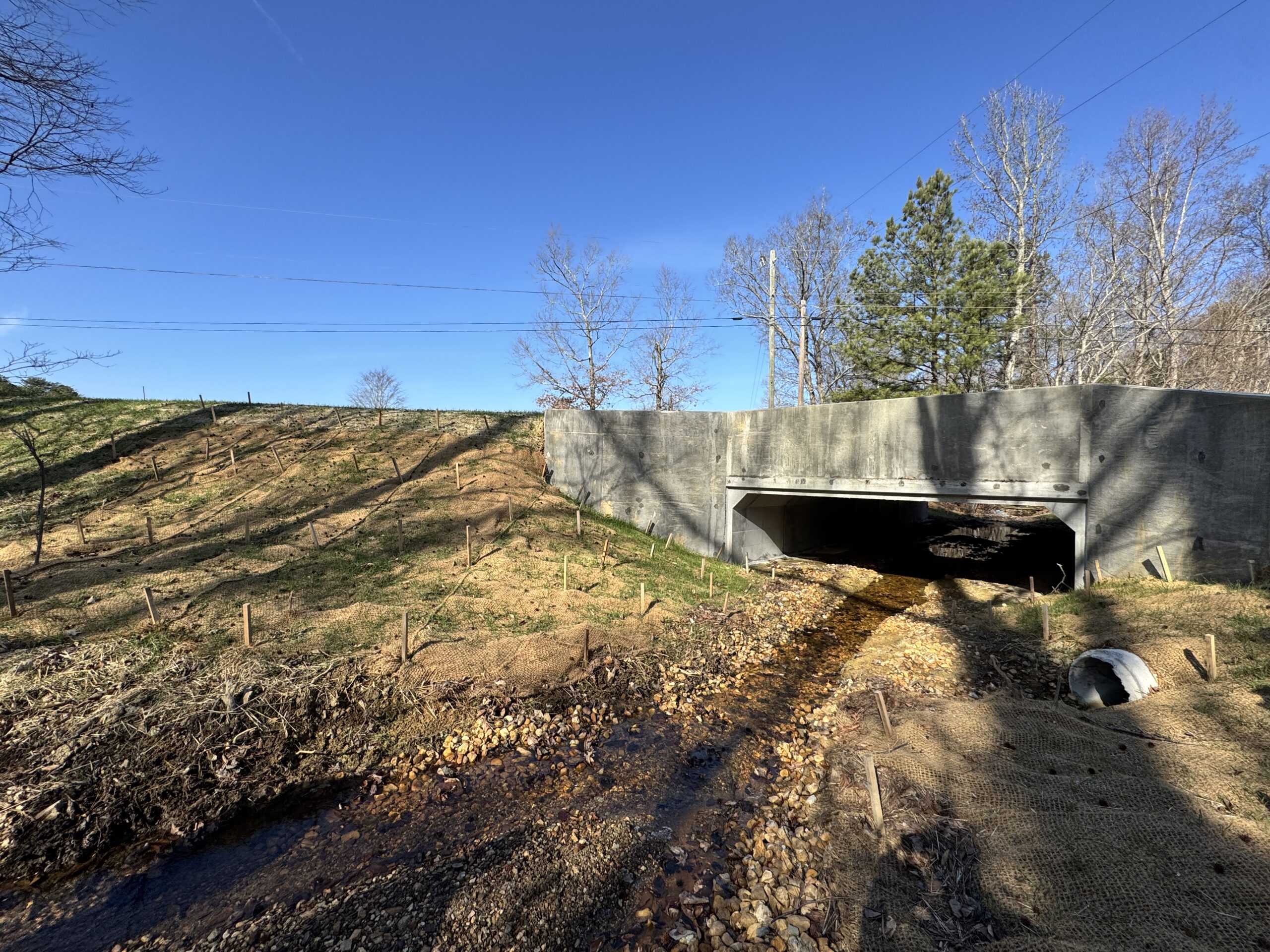
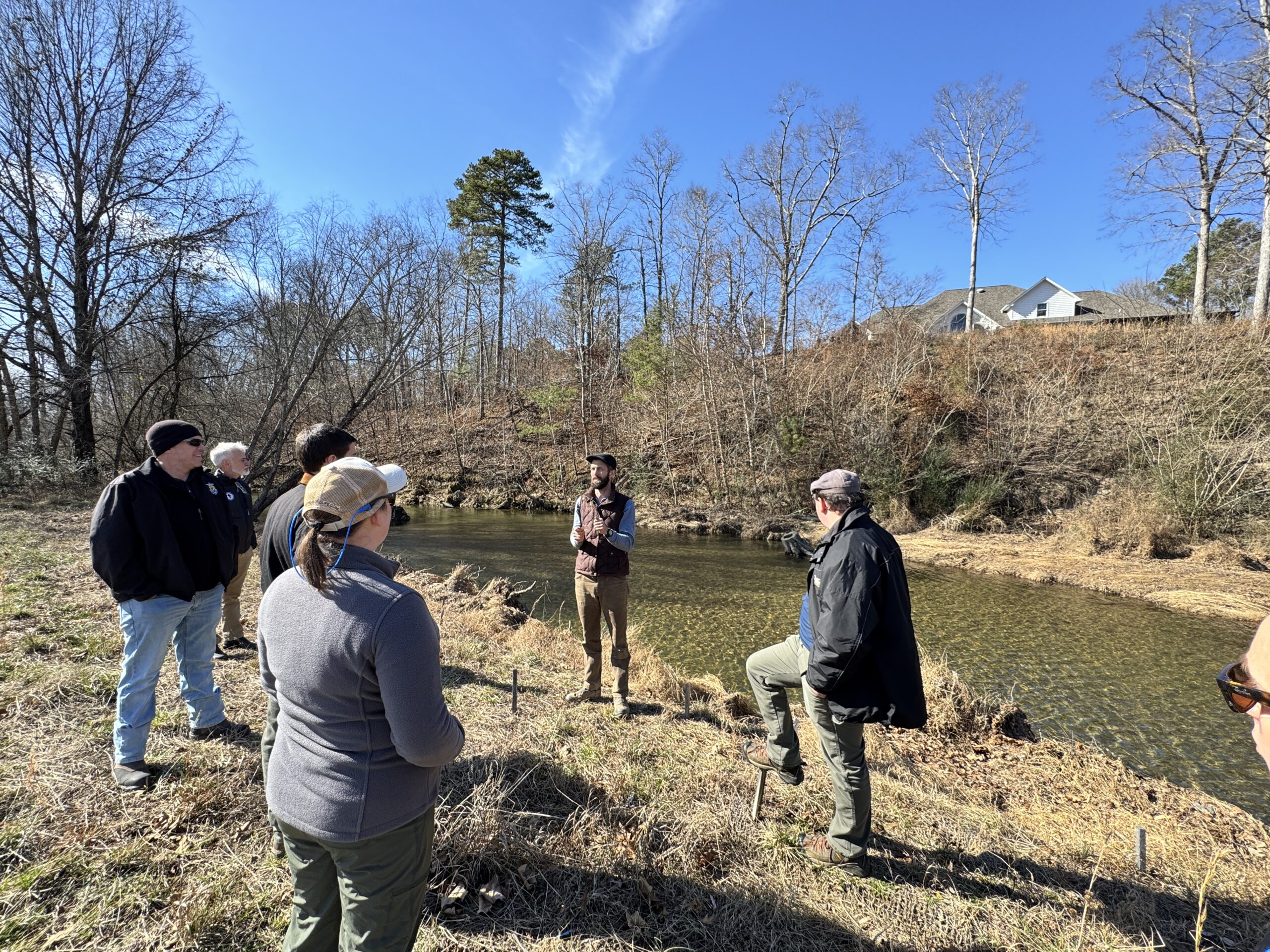
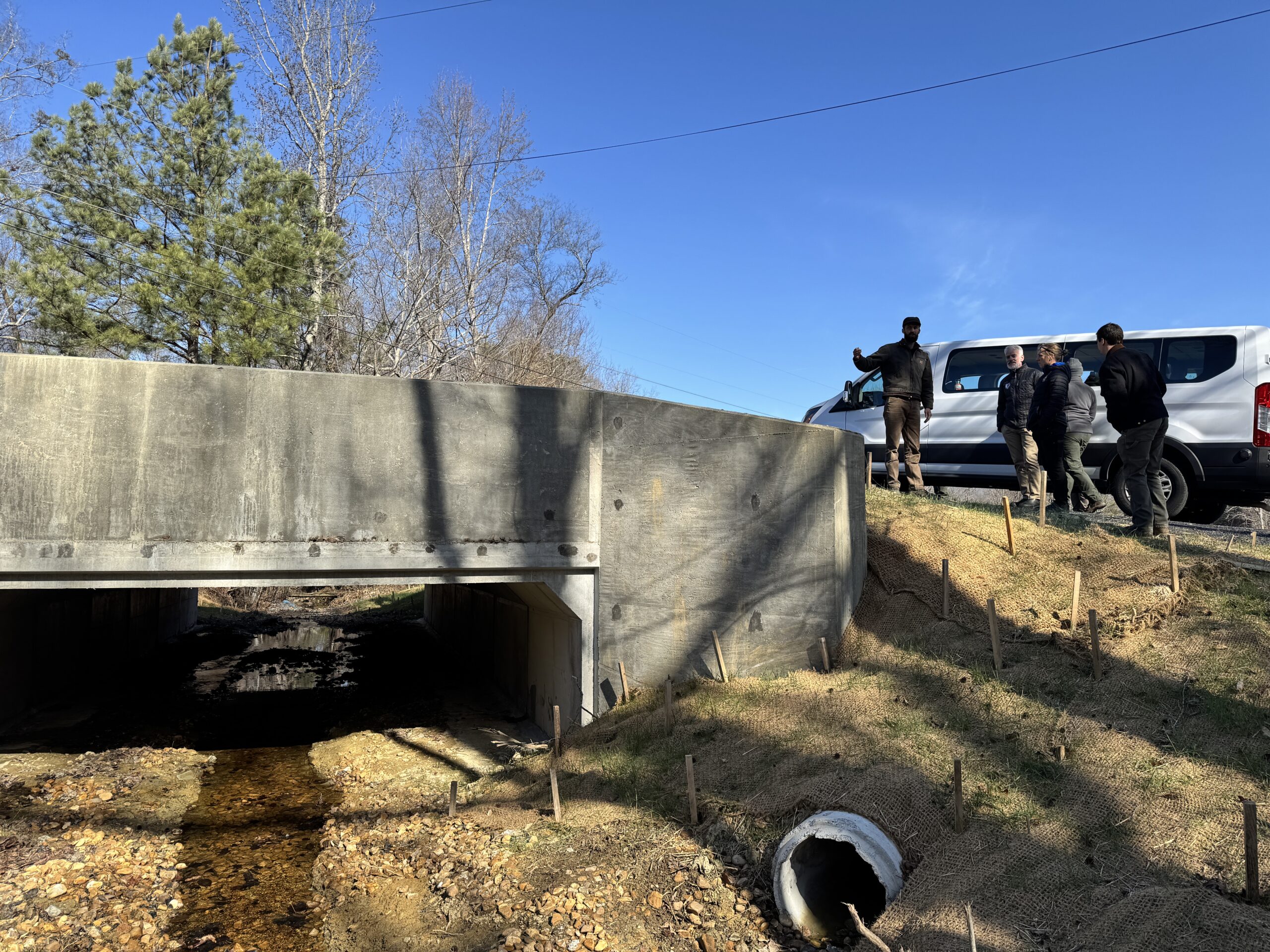
Four of six targeted culvert replacements are complete, with planting and reseeding underway or planned at each replacement site. The assessment work that guides the replacements has already evaluated more than four times as many crossings as originally planned, building a far stronger picture of where to act next than anyone expected at the outset. Once complete, the remaining replacements are expected to reconnect spawning habitat that has been out of reach for generations, while reducing the flooding and washout risk that comes with aging, undersized infrastructure.
In the Coosa Basin, the goal is simple: make sure every crossing counts.

A small fish needs a clear path.
This success story was developed by ECT to share information about NFWF’s America’s Ecosystem Restoration Initiative (AERI) Program. For more information on this project or the AERI Program, contact ECT’s Field Liaison Team or visit ECT’s NFWF National Programs page.
Questions? Contact Us.
Email NationalProgramLiaisons@ectinc.com to connect with our team.