

Letting the Stream Find Its Way Again
A decade-long effort in Washington, D.C., is working to reconnect a deeply incised tributary to the floodplain that once sustained it.
In a wooded corridor of Fort Dupont Park, one of Washington, DC’s largest urban green spaces, a narrow stream winds its way toward the Anacostia River. At first glance it looks ordinary, a small channel slipping through trees and brush. But decades of urban stormwater runoff have carved the channel deep into the landscape, severing it from the surrounding floodplain. Water that once spread across the landscape now races through a confined channel, accelerating erosion and carrying sediment and nutrients toward the Anacostia River, compromising habitat for fish and wildlife, and undermining the trails and green spaces that connect the surrounding community to the park.
The District Department of Energy & Environment (DOEE) is leading a restoration effort along approximately 1.5 miles of stream, one of nine coordinated projects aimed at restoring more than 18,000 linear feet of degraded stream within the Fort Dupont Watershed. The restoration uses regenerative stream design, combining rock cascades, post-assisted log structures (PALS), and a raised streambed to reduce stream energy, rebuild the channel bed, and restore the floodplain connection that once allowed storm flows to slow and settle across the landscape. The broader District-wide initiative also includes culvert replacements and stream daylighting to improve fish passage and aquatic connectivity.
Grantee
District Department of Energy & Environment (DOEE)
Washington, D.C.
Grant Award
$2.5 million
Project Type
Stream Restoration
Project Outcomes
7,920 linear feet of urban stream restoration planned
18,000+ linear feet restored within the Fort Dupont Watershed through this initiative
Project Progress
100% design complete, with construction anticipated by the end of 2026
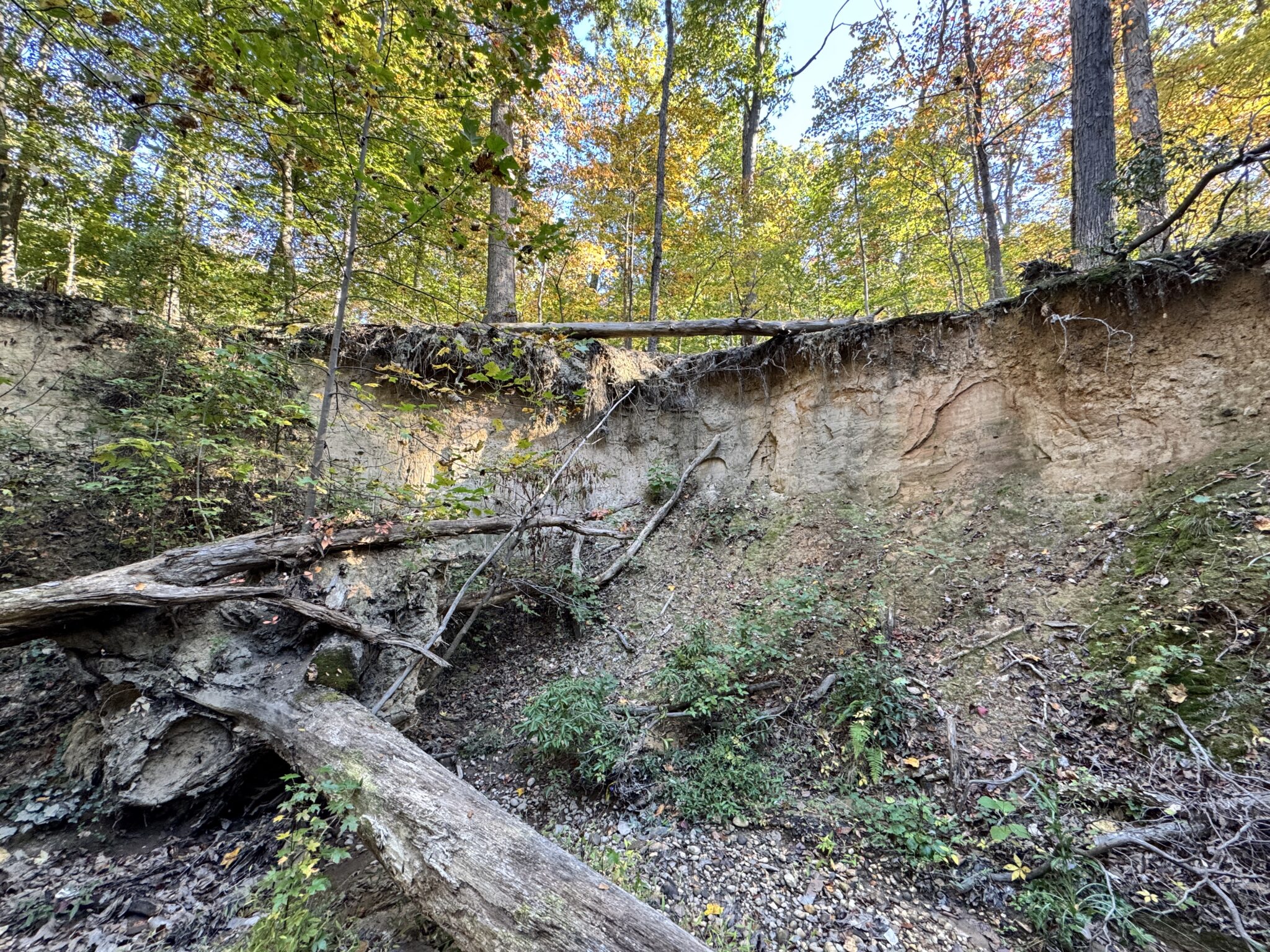
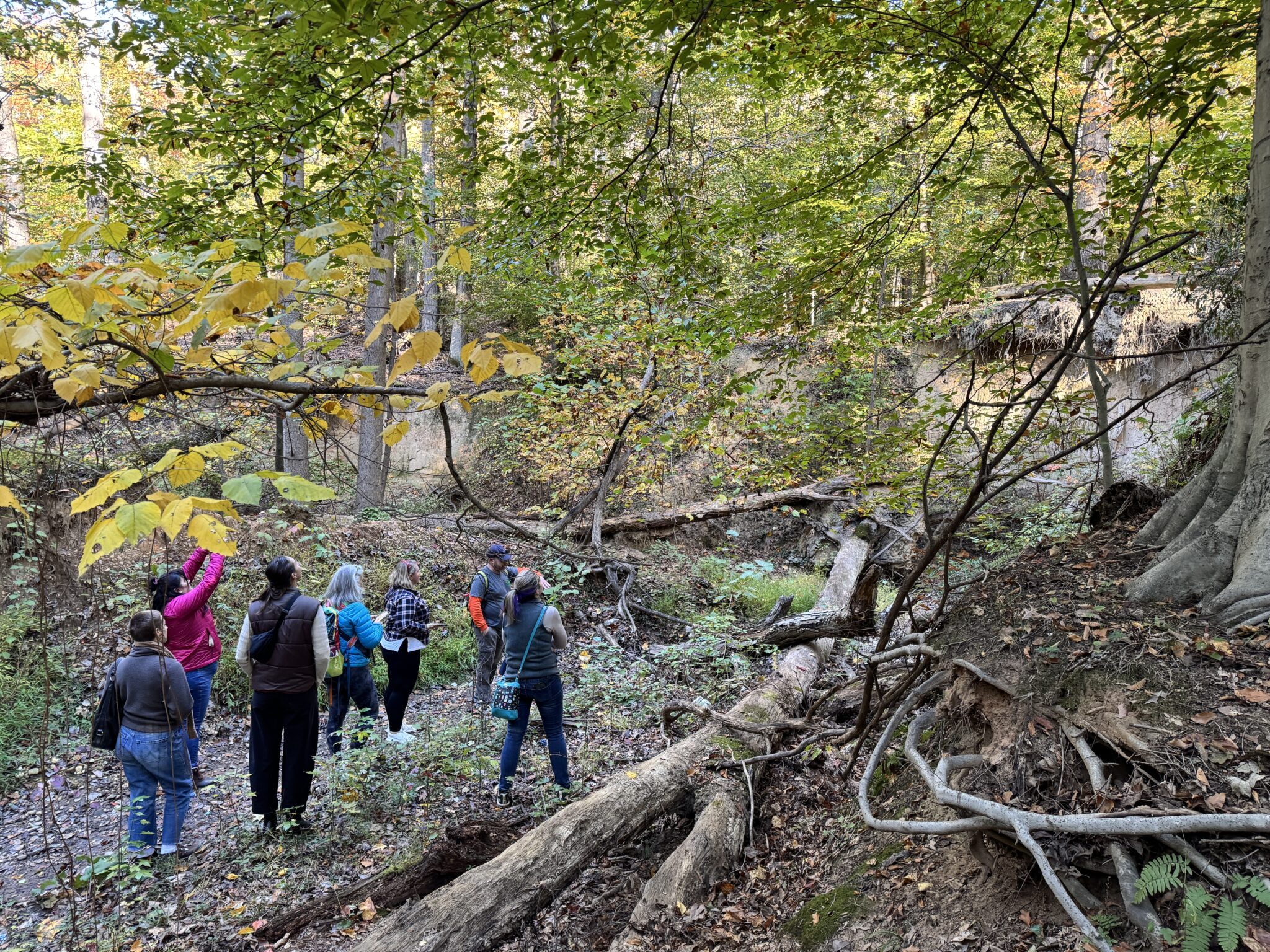
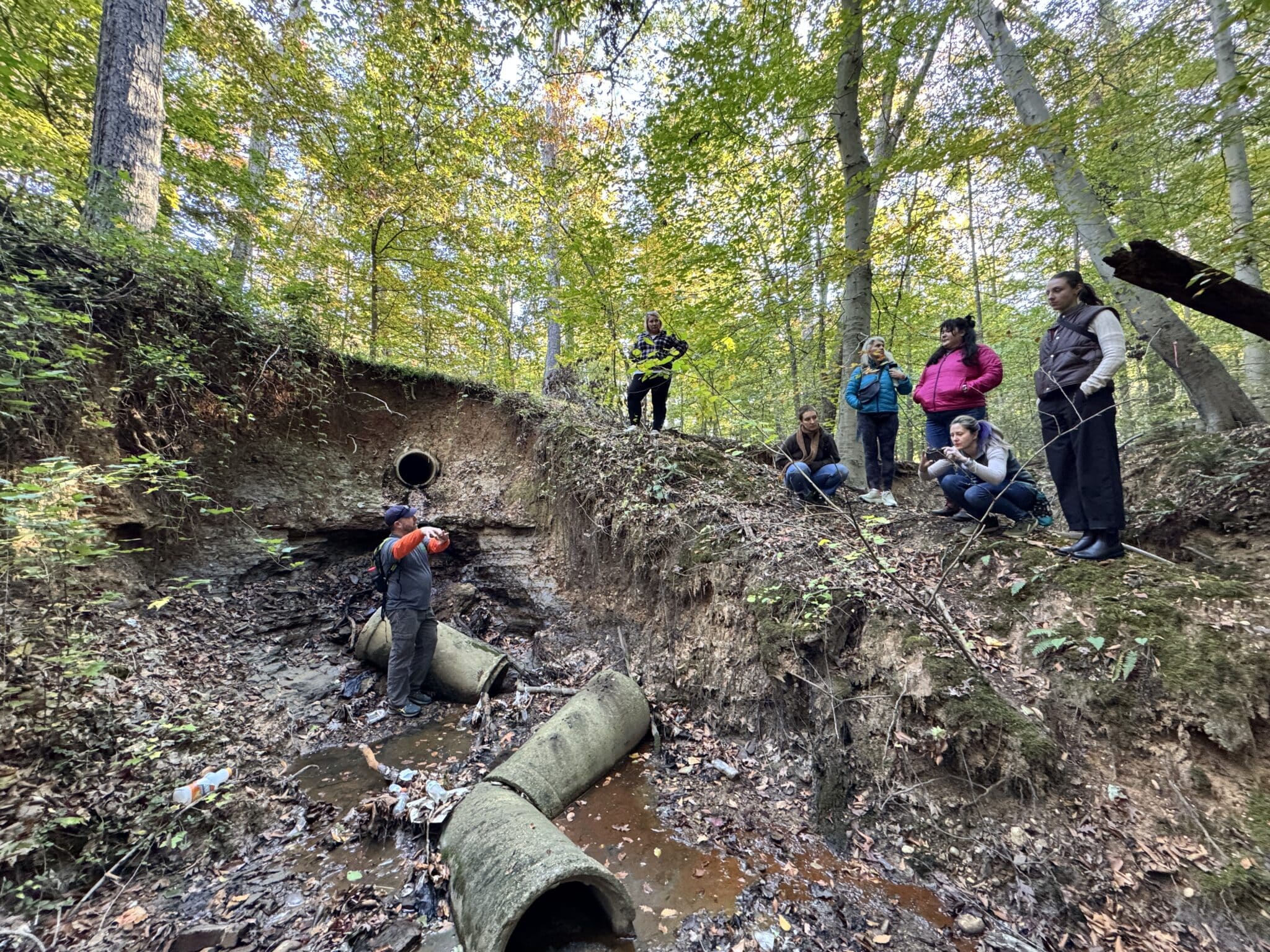
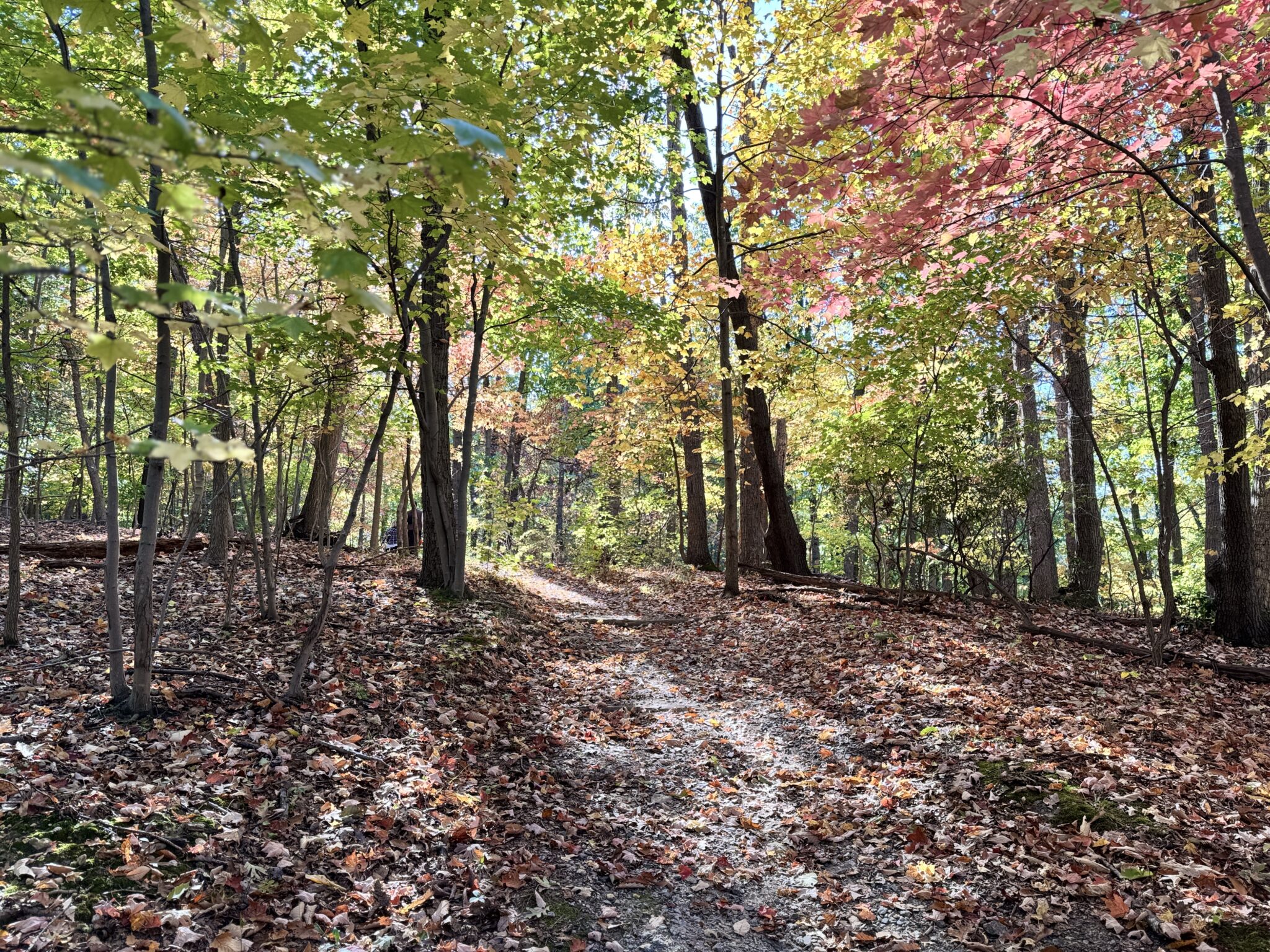
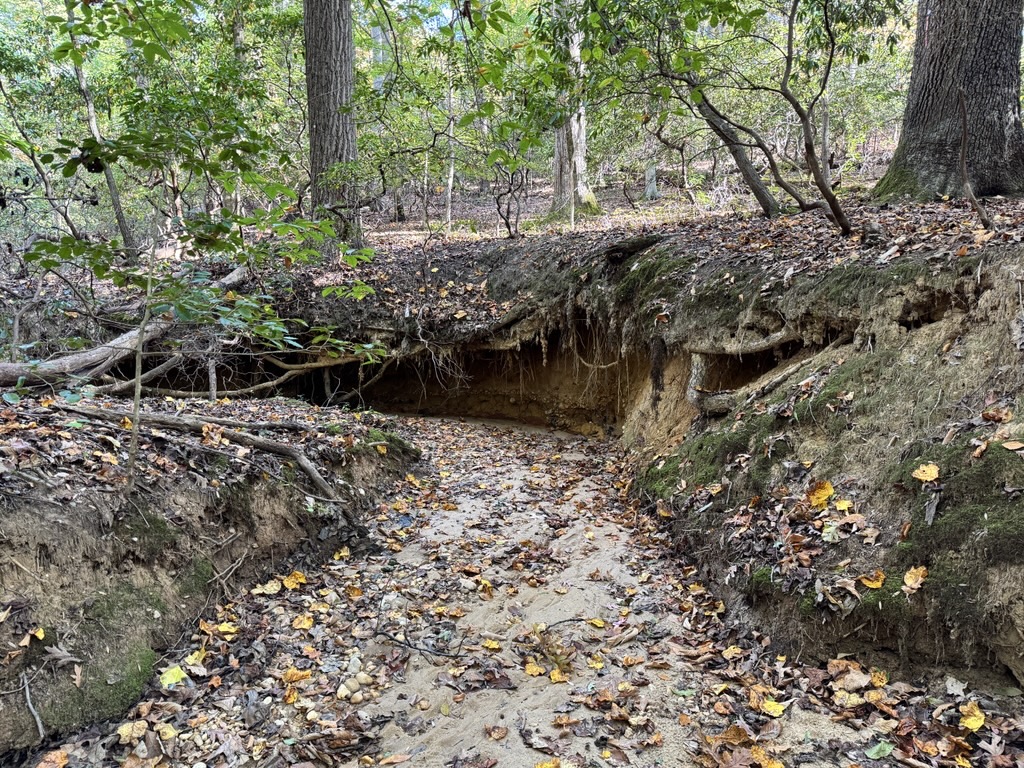
After nearly a decade of planning, the project reached 100 percent design completion. Once complete, it is expected to reduce erosion and sediment loading to the Anacostia River, restore floodplain hydrology, improve aquatic connectivity, and recover habitat for fish, wildlife, and plant communities that depend on a functioning stream corridor. The restored stream will also return a more stable and accessible natural space to the communities that surround the park. Construction is anticipated to begin by the end of 2026.
Here along this tributary, the goal is simple: help the stream find its way again.

There's more to this stream than meets the eye.
This success story was developed by ECT to share information about NFWF’s America’s Ecosystem Restoration Initiative (AERI) Program. For more information on this project or the AERI Program, contact ECT’s Field Liaison Team or visit ECT’s NFWF National Programs page.
Questions? Contact Us.
Email NationalProgramLiaisons@ectinc.com to connect with our team.