

Where Hawai’i’s Rarest Plants Can Take Root Again
New exclosures at the University of Hawaiʻi’s Lyon Arboretum will protect threatened native species and help restore them to the wild.
The overwhelming beauty of the lush forest of Hawaiʻi hides an unsettling truth. Of the nearly 1,400 native plants known in Hawaiʻi, more than 100 have gone extinct, and another 257 are in danger of extinction because of invasive species and climate change. Some of Hawaiʻi’s rarest plants survive only in small, isolated populations that rarely produce seeds in the wild, and their seeds are often not robust enough to survive conventional storage.
The University of Hawaiʻi’s Harold L. Lyon Arboretum is developing a space to counter these challenges by using an “inter-situ” approach, which balances natural habitat conditions with the protection of a botanical garden setting. A 10-year vision finally materializing, the project will protect 2.48 acres of habitat across two areas of the arboretum and will provide permanent space to cultivate 10 threatened and endangered plant species. This will allow the plants to grow to maturity, produce seeds, and be more readily monitored, studied, and maintained than many wild populations, while building a genetically diverse supply of seeds and cuttings for reintroduction.
Grantee
University of Hawai’i
Grant Award
$412,992
Project Type
Rare plant conservation
Project Outcomes
2.48 acres protected and restored
1,000 native plants outplanted; permanent populations of 10 threatened and endangered species established
Project Progress
Site cleared of invasives and planting underway; fence contractor selection in progress; Project is scheduled for completion by January 2028
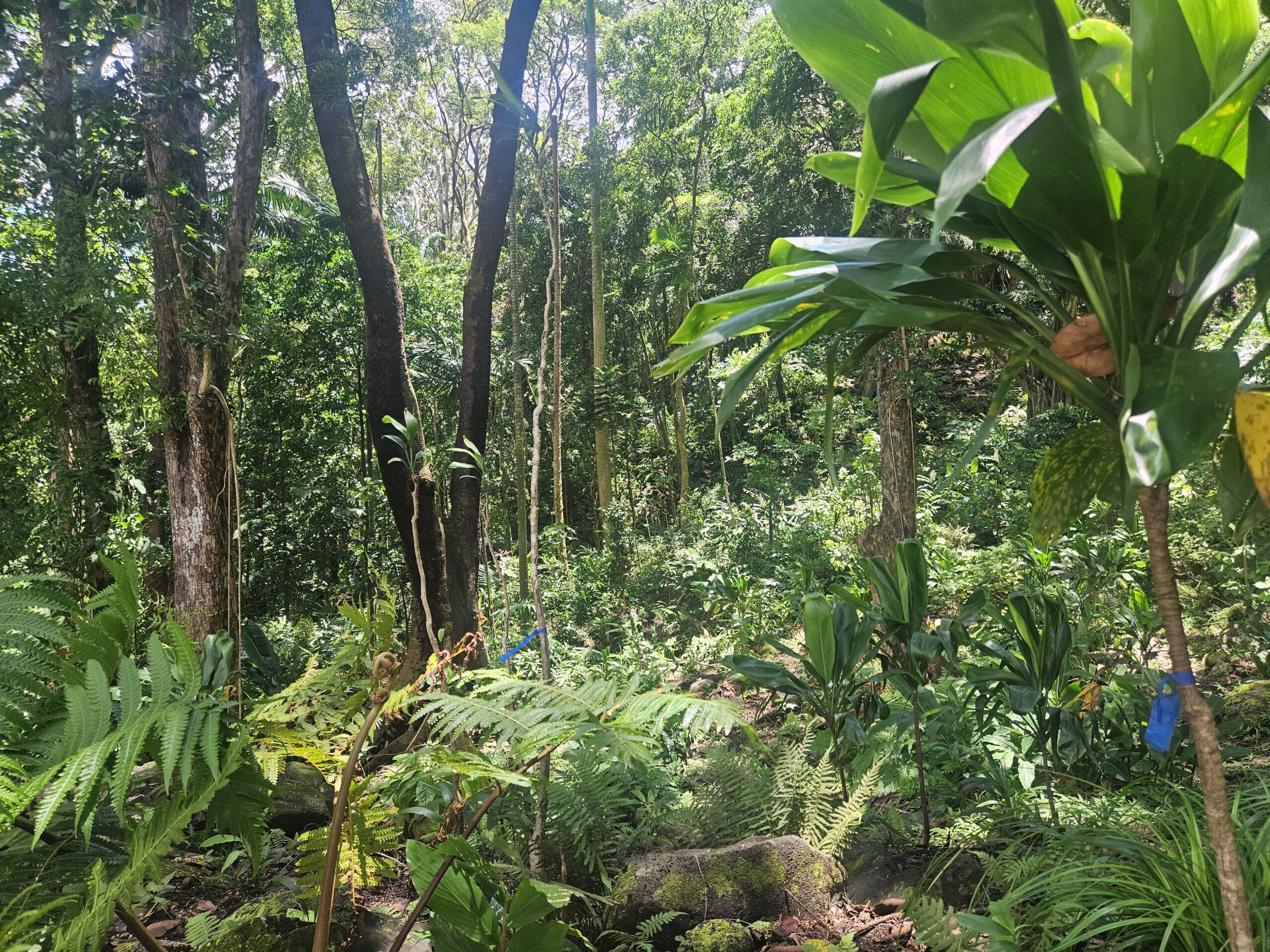
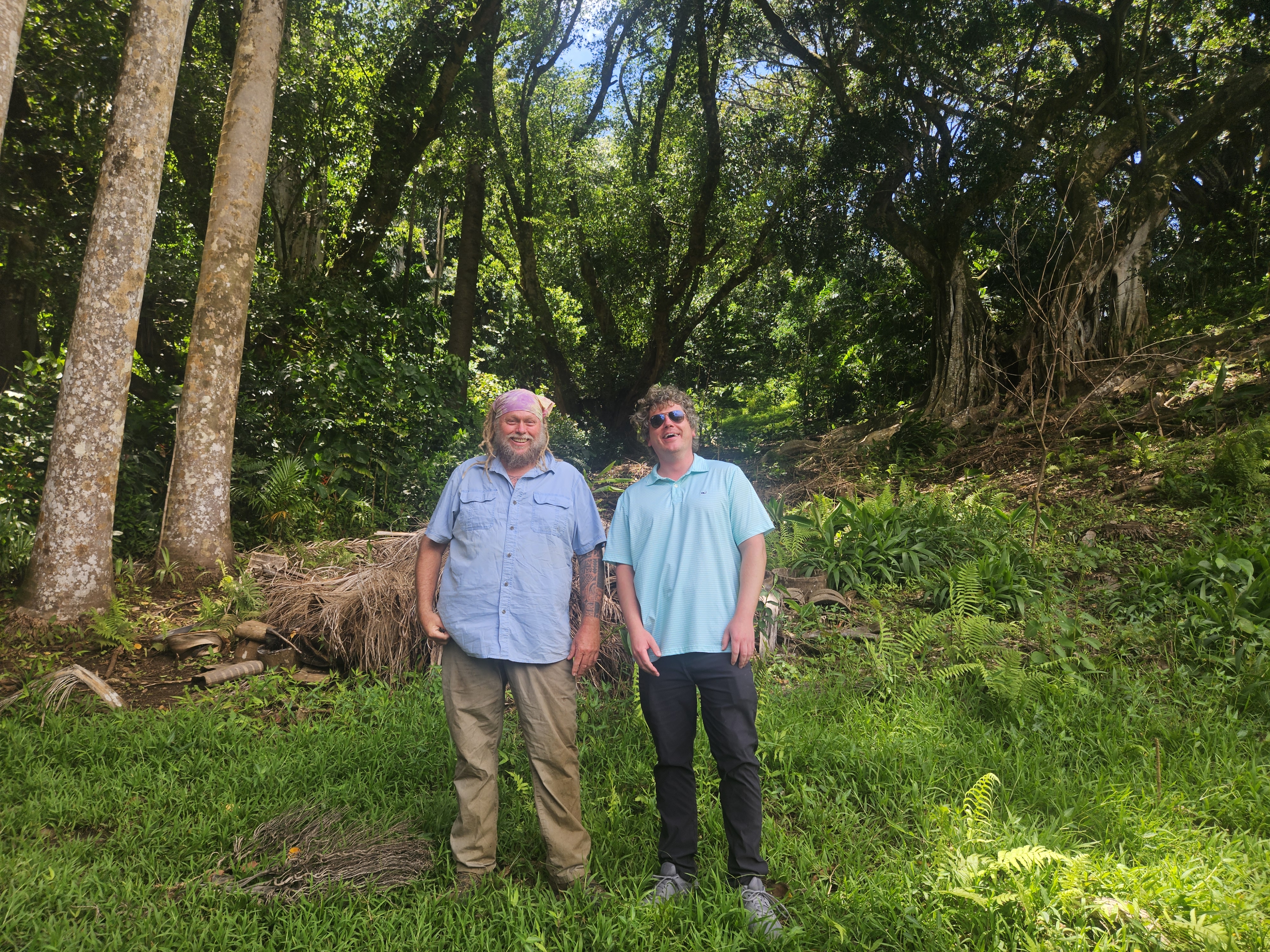
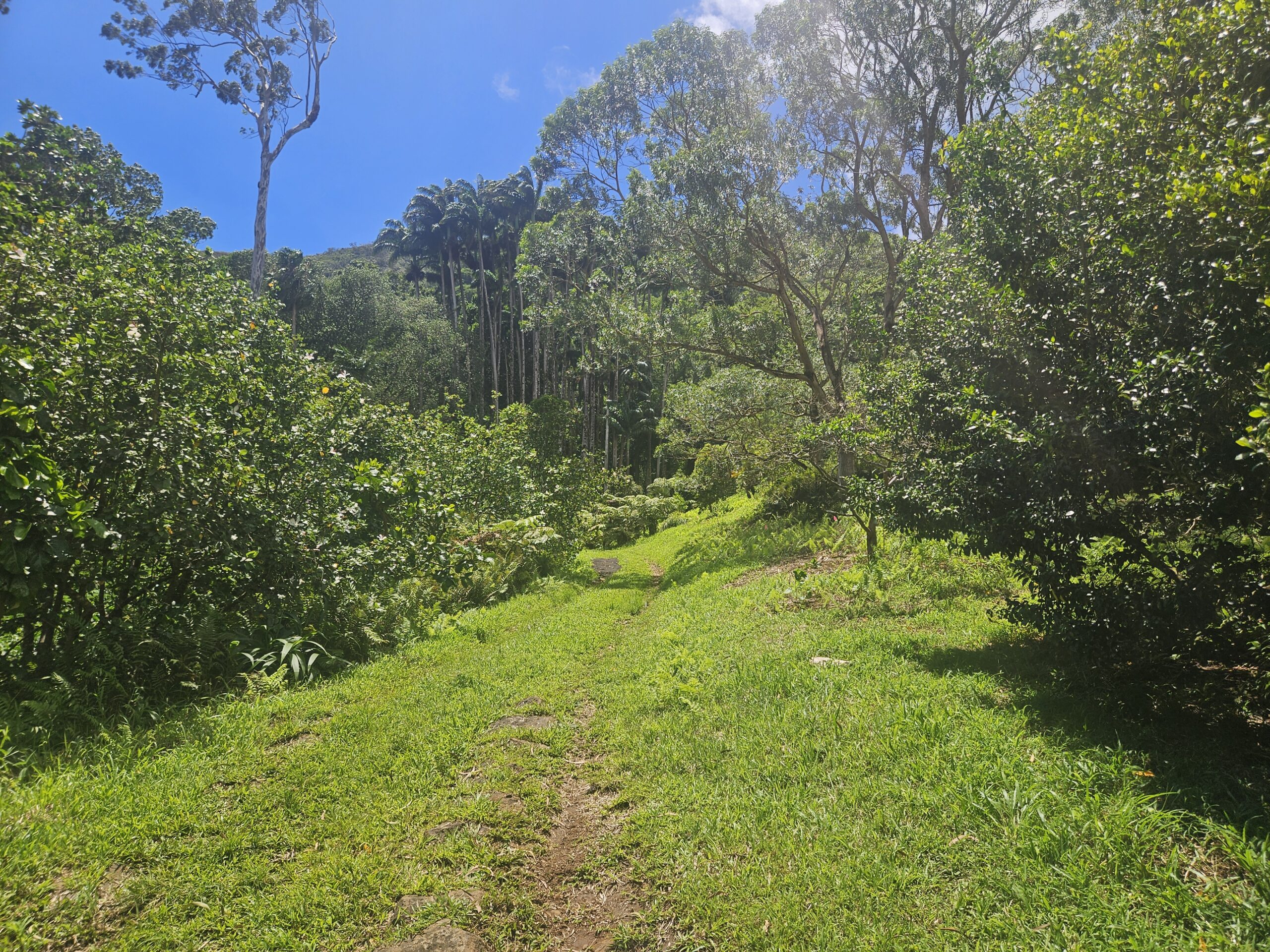
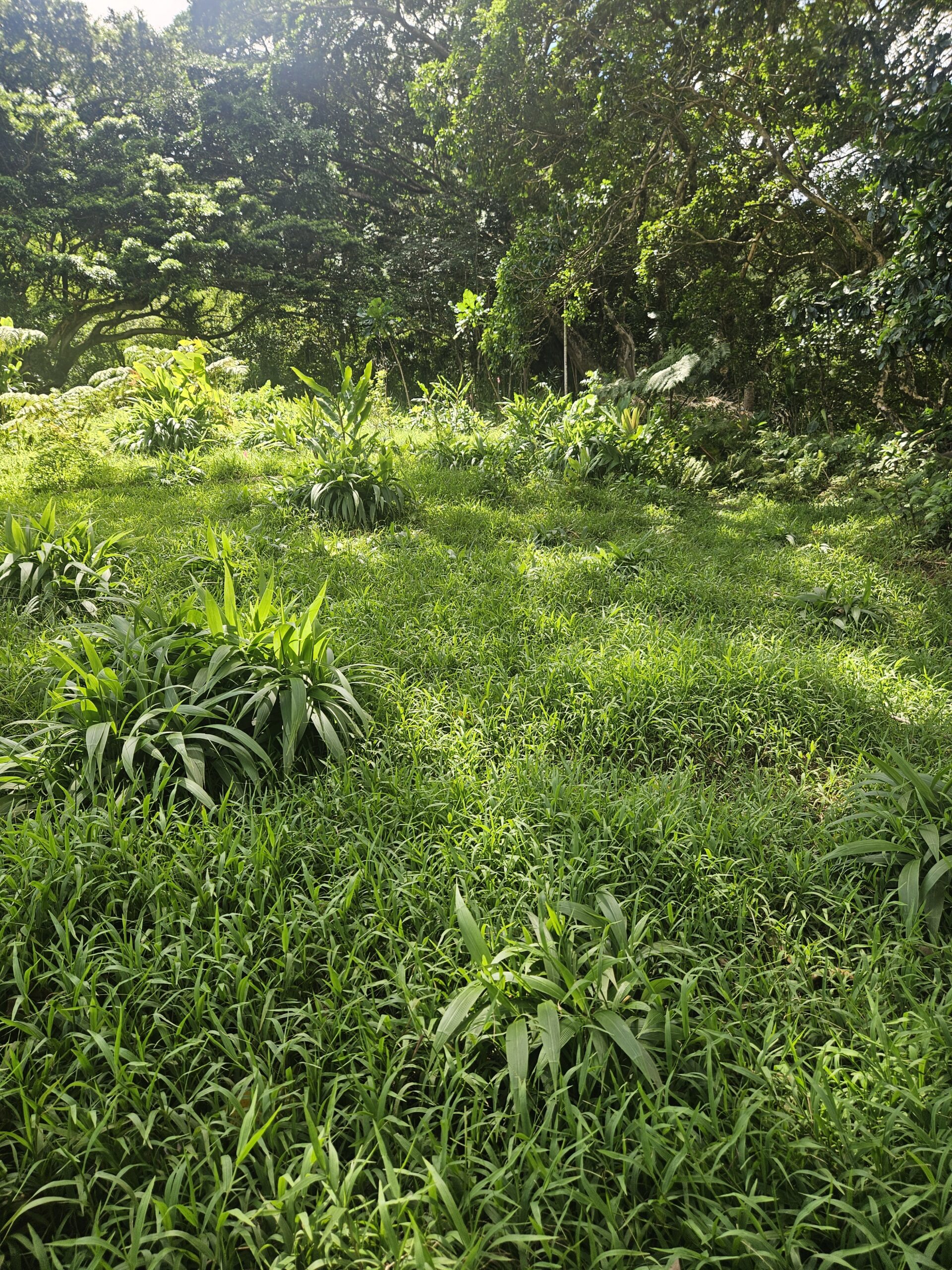
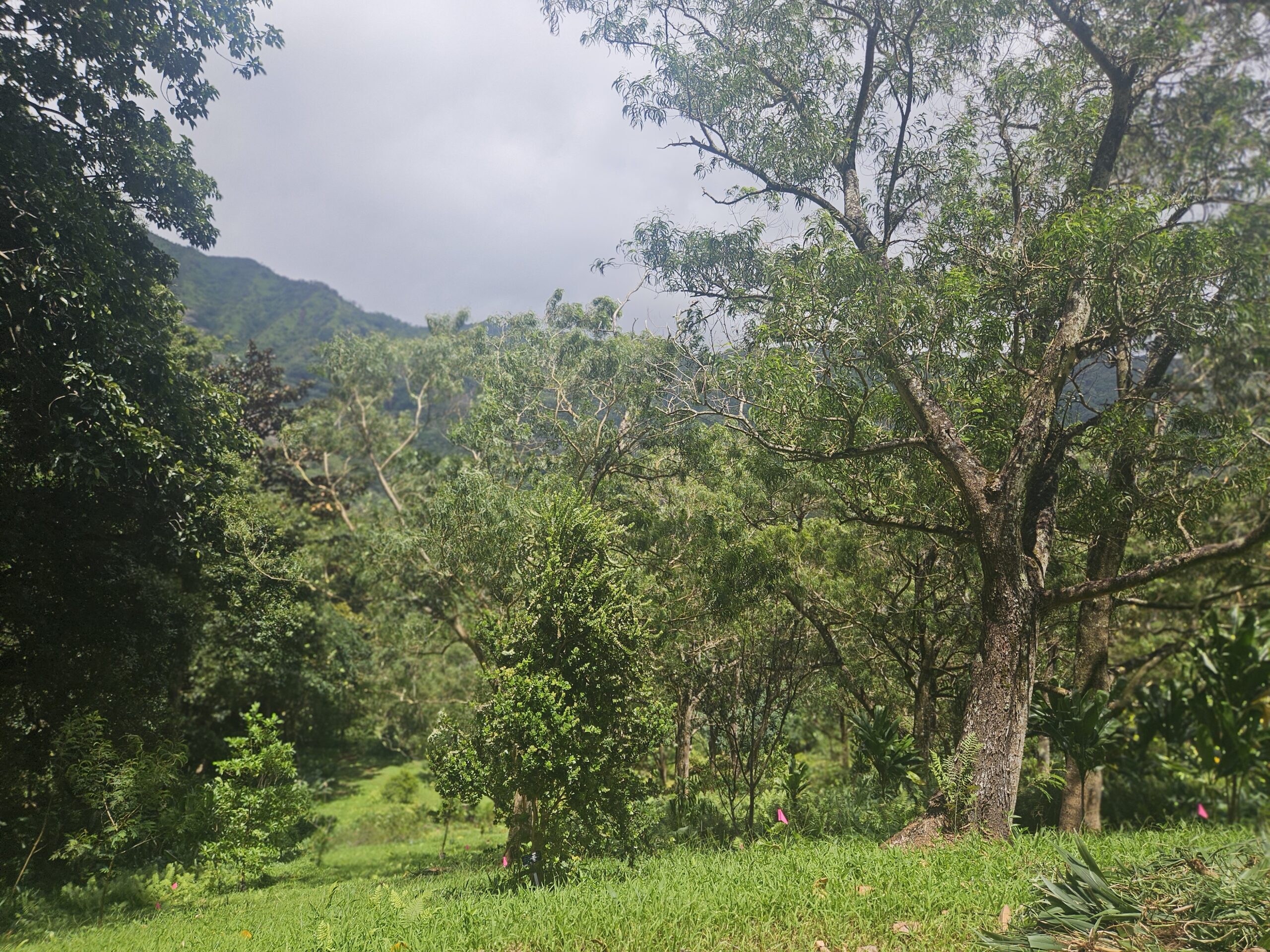
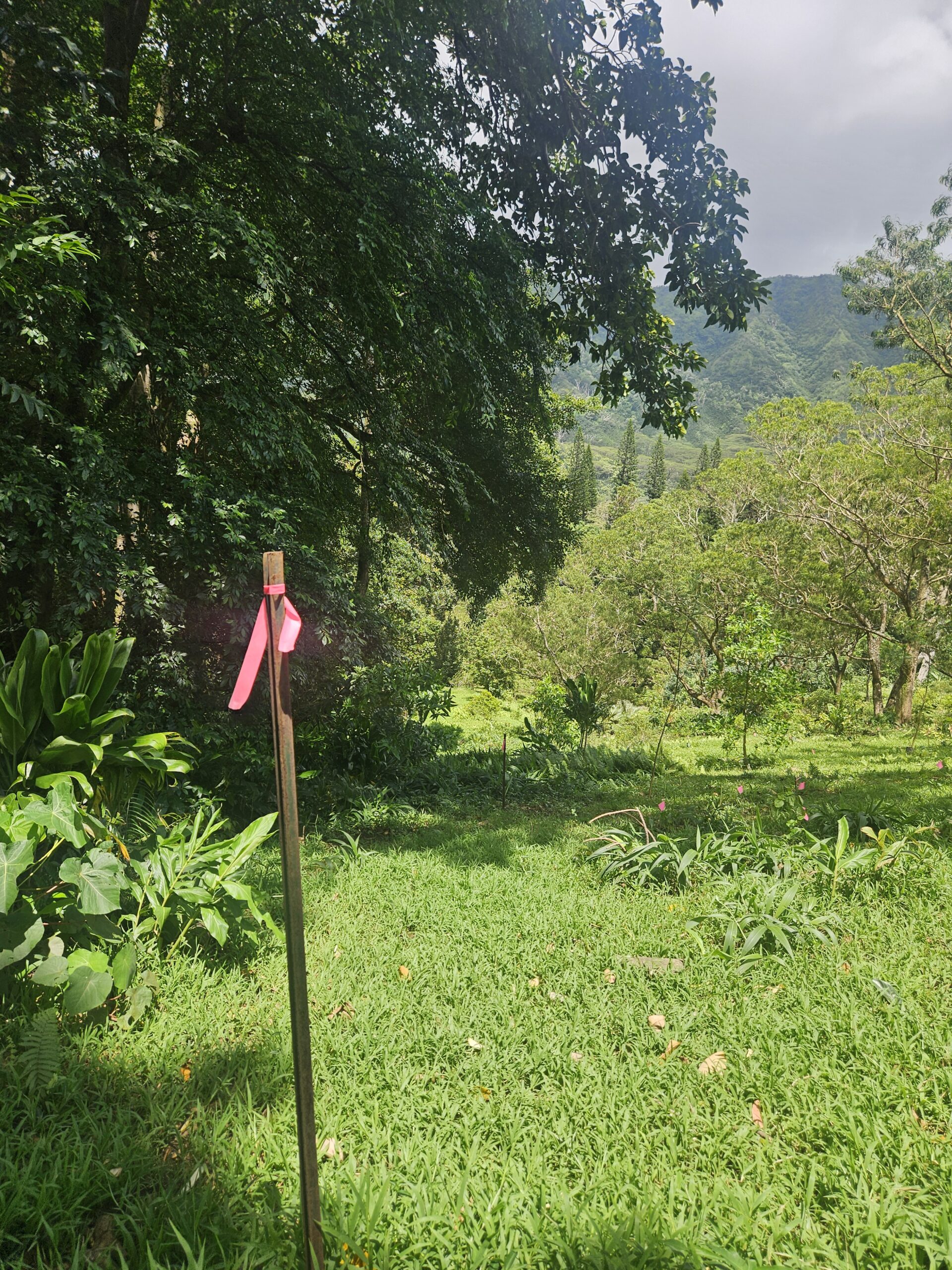

Contracting hurdles have caused initial delays, but the site has been cleared of invasives, the feral ungulate fence line is staked, planting of at-risk species has begun, and contractor selection is currently underway. Once fencing is in place, this site will be much more than a safe space to cultivate rare plants. It is designed to become a center for hands-on learning and cultural engagement, teaching the community about native plants and traditional Hawaiian land practices, and a place where Hawaiʻi’s rarest plants can take root again.
This success story was developed by ECT to share information about NFWF’s America’s Ecosystem Restoration Initiative (AERI) Program. For more information on this project or the AERI Program, contact ECT’s Field Liaison Team or visit ECT’s NFWF National Programs page.
Questions? Contact Us.
Email NationalProgramLiaisons@ectinc.com to connect with our team.